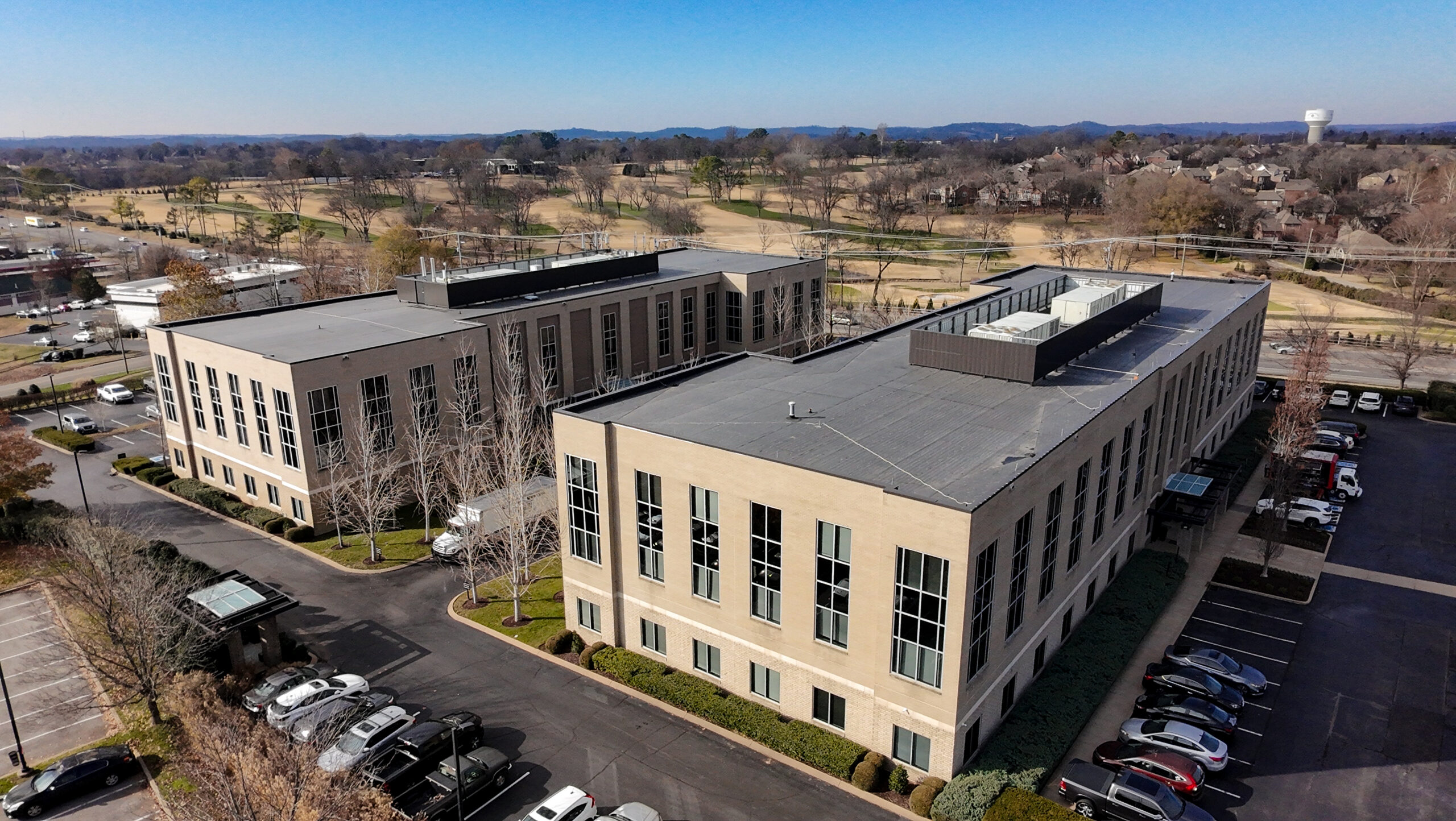
Commercial Rubber Roofing Material (EPDM) background image

Commercial Rubber Roofing Material (EPDM)
What is rubber roofing (EPDM roofing material)?

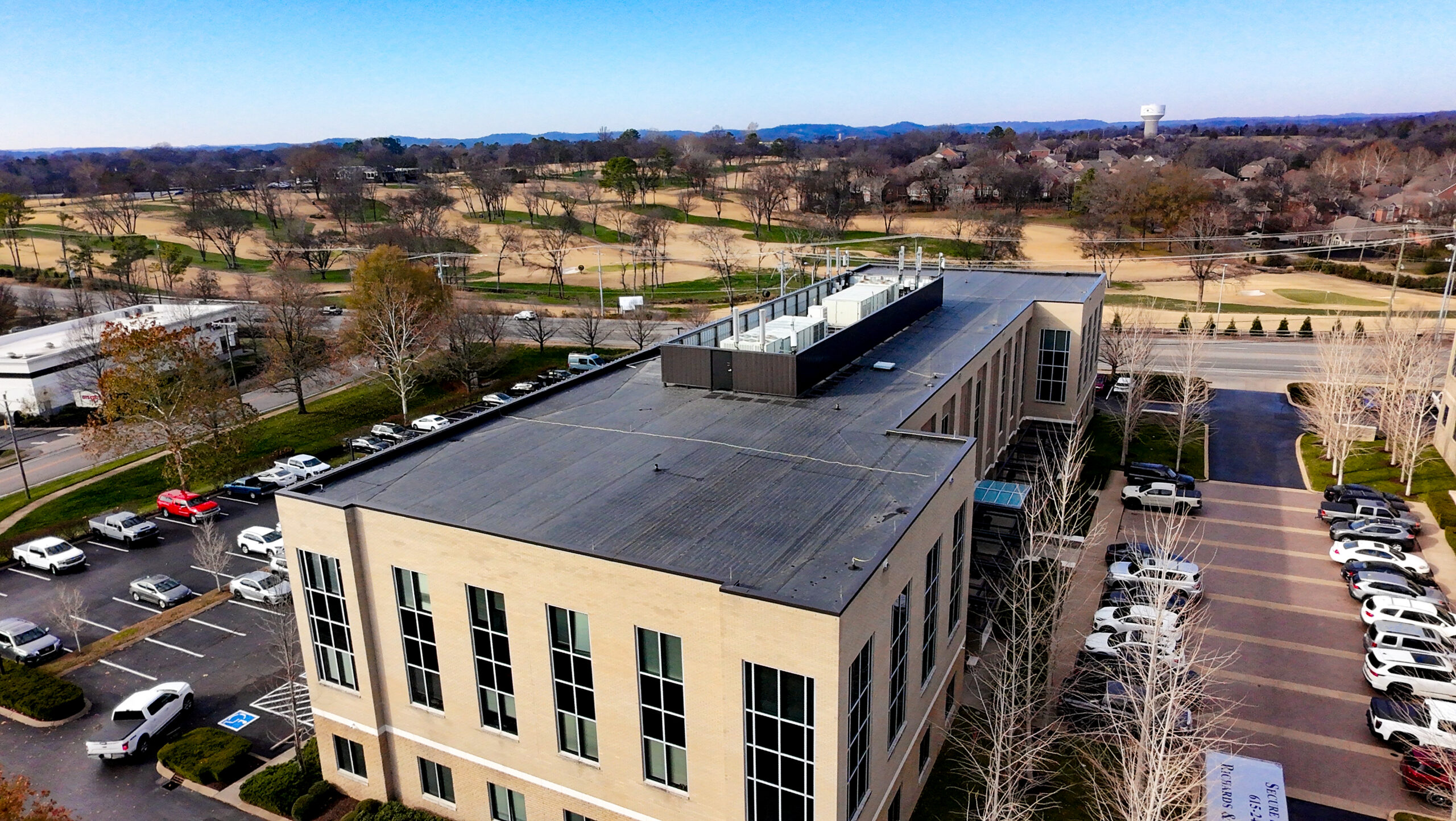
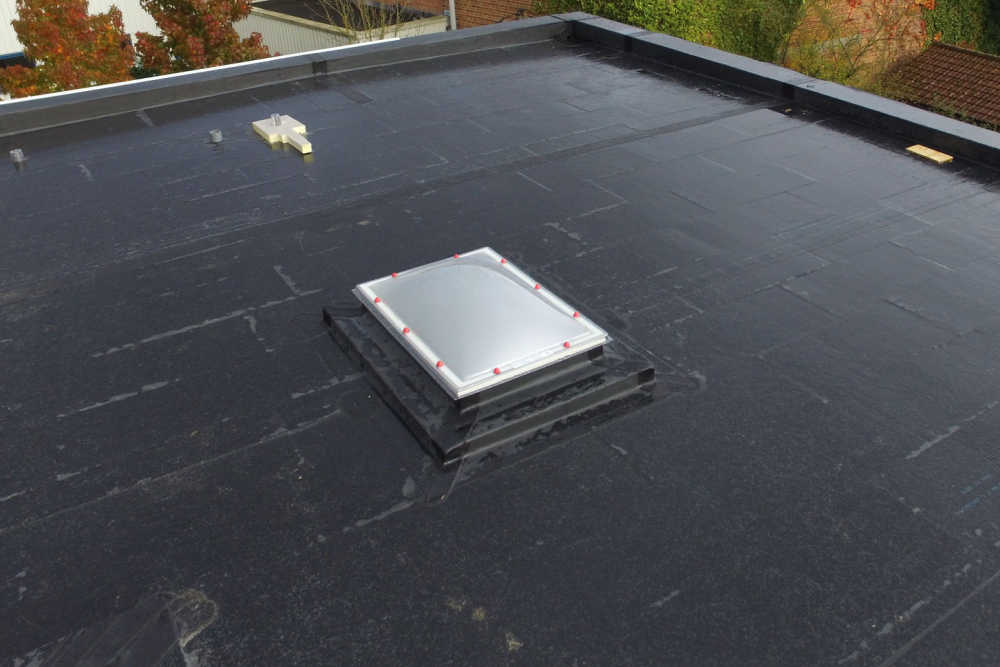
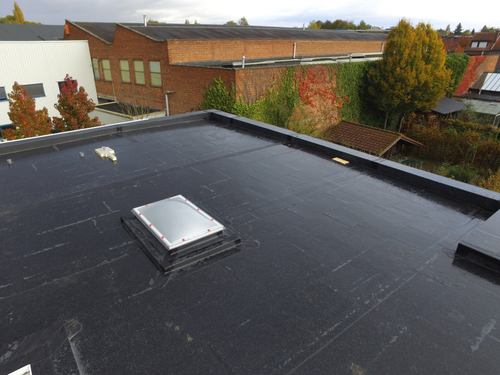
Rubber roofing, or Ethylene Propylene Diene Monomer (EPDM), is a commercial-grade rubber roofing material perfect for flat or low-sloped roofs.

EPDM is a synthetic rubber made of ethylene and propylene, manufactured with very little energy using oil and natural gas. Plus, rubber roofing products are 100% recyclable, 100% waterproof, and do not pollute rainwater runoff.

Advantages of EPDM

Rubber roofs have been around for over 45 years, and the roofing material comes in black and white, though black is more common. Black EPDM membranes have carbon black added to convert UV rays into heat, while white EPDM membranes have titanium dioxide added to reflect UV rays — so buildings in warmer climates benefit from white EPDM roofing materials, while buildings in cooler climates can benefit from black.

Single-ply EPDM roofing material is durable, and not only are leaks less common, but a rubber roof is fire-resistant and comes in a sheet that can slow or even stop a fire from growing and spreading.

  1. Fast, Easy Installation
  2. Cost-Effective Repairs
  3. Durable
  4. Energy Efficient
  5. Long-Lasting
  6. Great for Flat or Low-Sloped Roofs

EPDM Roofing Installation in Tennessee

Rubber roofs are known for their easy installation and lower labor costs. When we at Austermiller Inc. install commercial rubber roofing material, we first remove and clean off existing roofing materials.

Next, we roll the rubber roofing membrane out in a uniform pattern. To apply the adhesive, we fold the rubber sheet over itself, applying it slowly and spreading it evenly to ensure a proper seal, then smooth out any wrinkles or bubbles. We repeat these steps until the whole roof is finished — no welding required!

With proper installation from us, your EPDM rubber roof can last up to 50 years, though you may need minor repairs after 20 to 35 years. The flexible rubber material is simple and easy to repair, only requiring a few tools. However, the longevity of your EPDM roof can be significantly affected by climate — extreme weather conditions can impact the lifespan — and the quality of installation is paramount, since a poorly installed roof may not reach its full potential lifespan.

To ensure there are no leaks and the material fits snugly around vent pipes and other features, hire an Austermiller roofing professional. It may cost more upfront, but proper, high-quality installation will save you more money in the end. To start your next roofing project, contact us at Austermiller for a quote!

Commercial Rubber Roof FAQ
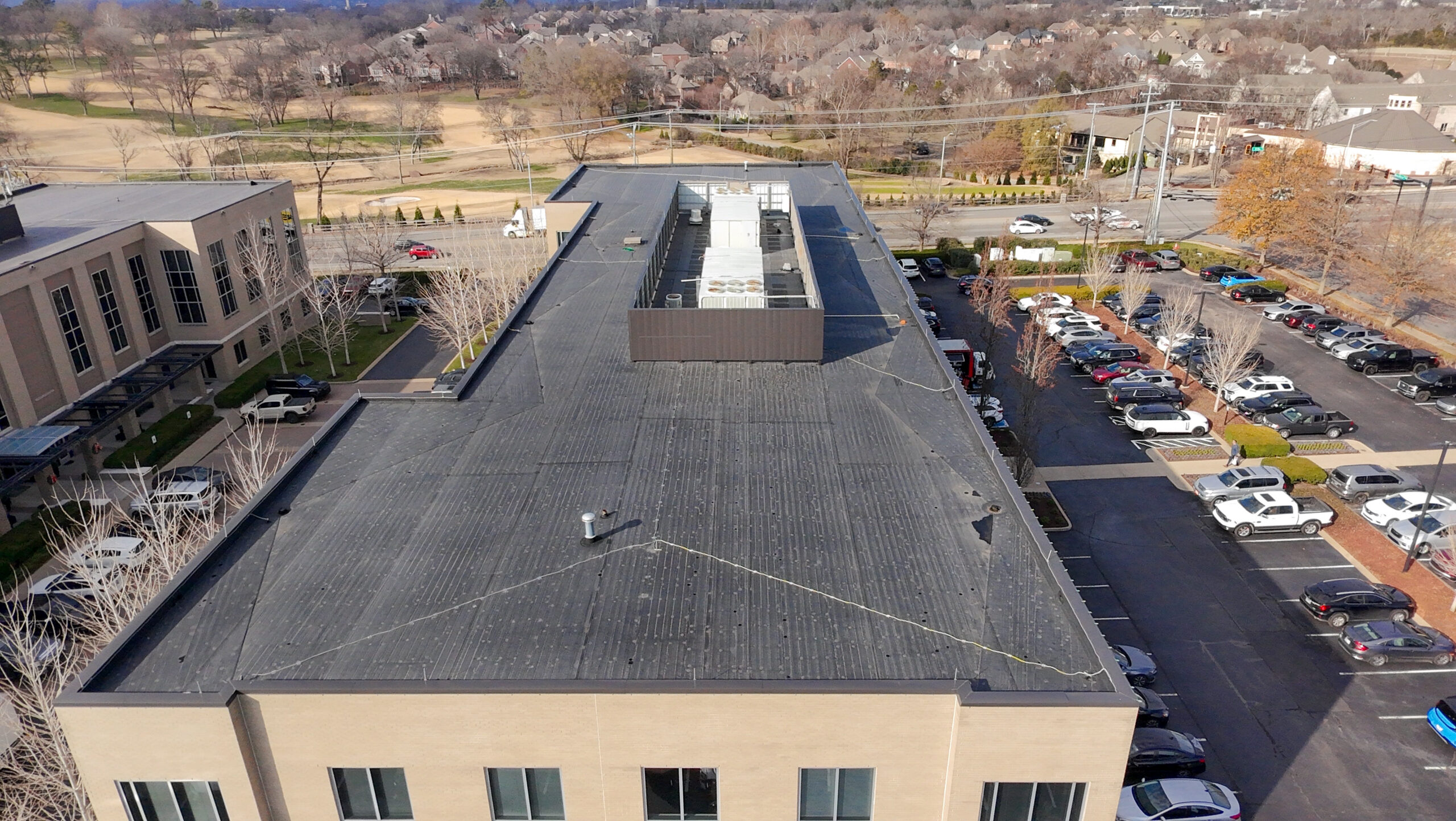
An EPDM rubber roof properly installed by a professional like Austermiller, Inc. can last up to 50 years, though minor repairs may be needed after 20 to 35 years. EPDM roofing systems are engineered to excel in harsh weather conditions, with a robust construction that features a fully adhered vapor barrier for enhanced resistance to severe elements. A regular roof inspection by a professional roofer can identify any signs of compromise in the membrane, like tears, cracks, and separating seams, letting you know if and when repairs are needed.

Climate plays a crucial role — extreme weather conditions such as intense heat, heavy snowfall, or high winds can shorten the roof’s life. Attic ventilation and insulation are also critical: proper ventilation helps regulate temperature and moisture levels, and high-quality insulation can extend the roof’s durability by reducing thermal stress. Finally, the quality of installation cannot be overstated — a poorly installed roof is far more likely to suffer from leaks and other issues, so a professional and meticulous installation is key to maximizing longevity.

Start by assessing your specific roofing requirements. Then evaluate material thickness — EPDM membranes typically range from 45 to 90 mils, with thicker membranes offering more protection. Next, understand your installation method options, since EPDM can be installed several different ways. Finally, consult with experienced roofing contractors like Austermiller, who can guide you through the process and help you make an informed decision.

Yes. Dark-colored EPDM membranes absorb more heat, making them less suitable for regions with high temperatures, while lighter colors like white are more reflective and help keep buildings cooler, reducing air conditioning costs. The right choice depends on your local climate, energy efficiency goals, the building’s use, and even environmental impact — reflective, light-colored membranes can help reduce the urban heat island effect in densely populated cities. Aesthetic preferences matter too, so the color should also align with the overall design of the building.

Thicker EPDM membranes offer enhanced resistance to punctures and tears, better withstand UV radiation, temperature fluctuations, and moisture infiltration, and generally last longer with fewer repairs. Thicker membranes are especially worth considering for properties in high-risk zones with frequent severe weather, or for commercial buildings where the roof is exposed to heavy foot traffic or equipment installation.

Certifications and Affiliations

What Our Customers Say