
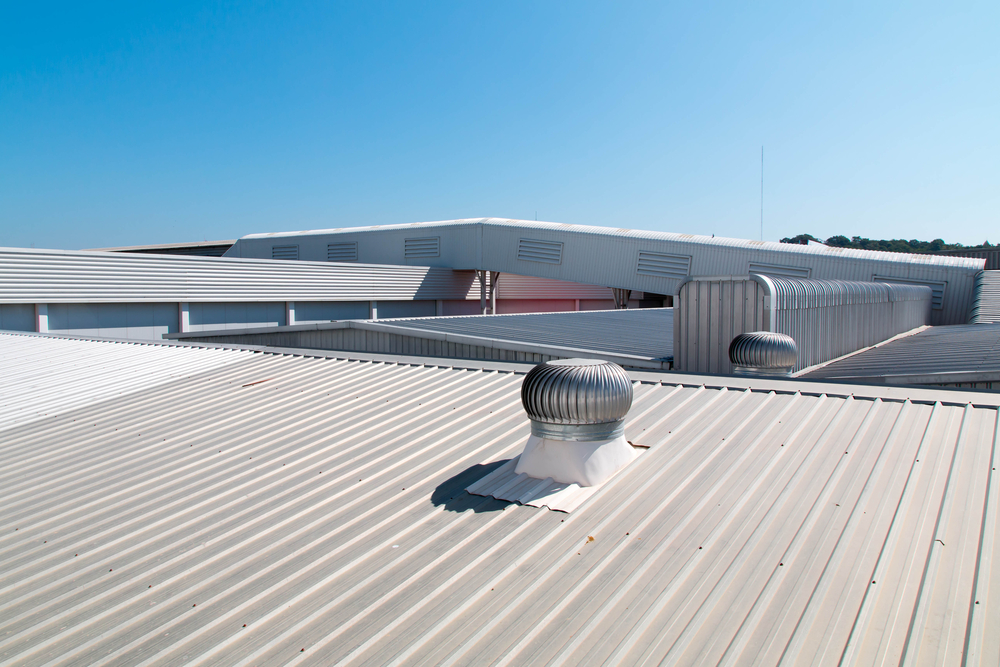
Commercial Steep-Sloped Roofing Systems
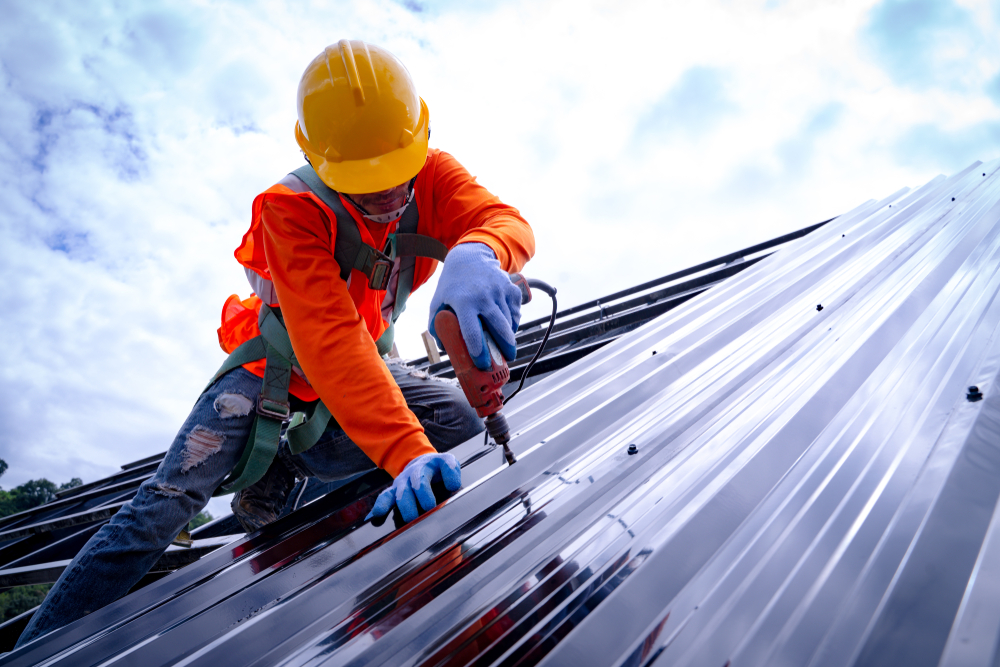
What is a Sloped Roof?
One of the many commercial roof types, a sloped roof is a type of roof that has an angle of 25 degrees or steeper. Precisely, a sloped roof consists of a pitch and a slope. The pitch is the distance between the roof peak and the roof’s edge, while the slope is the angle of how steep the roof is — also known as the rise over run. A sloped roof has a rise over run of 3:12 or greater. Because of the slope, these roofs have better drainage and less UV exposure, making them less damage-prone.
With a sloped roof, you can combine different roofing materials and varying slopes for visual interest and dimension. Sloped roofs typically have better curb appeal than flat roofs, as angled roofs can take up as much as 40% of a building’s visible exterior.
Types of Sloped Roofs
There are two categories of sloped roofs: low-slope and steep-slope. The angle of the slope determines the usable interior volume of a building, the amount of drainage, and the roofing style and materials available.
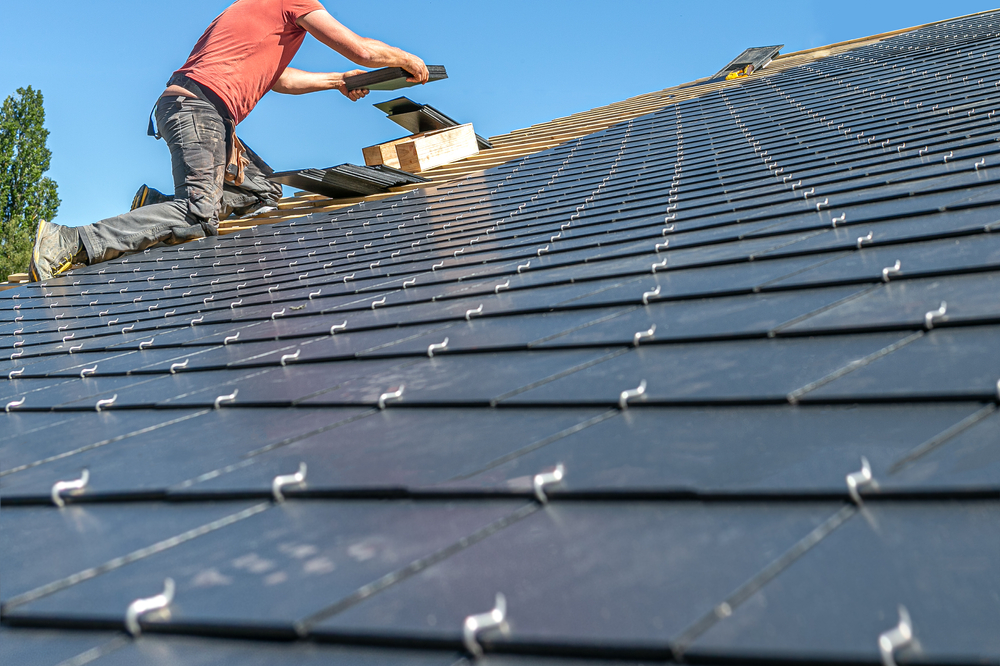
Low-Slope
A low slope has a slope of 3:12 or less. These roofs are more common for commercial buildings, as they are affordable, easy to install and maintain, and have efficient drainage. Low-slope commercial roofs also reduce the amount of unused space between the ceiling and the roof, and are generally energy efficient because less heat stays trapped in the ceiling — meaning the building is easier to cool in the summer and heat in the winter.
Sometimes low-sloped roofs are called flat roofs because the angle looks almost flat. These roofs can have PVC, EPDM, or TPO membranes.
Steep-Slope
A slope of 3:12 or greater is a steep-sloped roof. These angled roofs are less common with commercial buildings and more common with residential structures. The roofing material for steep-sloped roofs is often more expensive and impractical for large commercial buildings, and the slope makes installation more difficult and dangerous, requiring more safety measures.
However, the steeper slope provides excellent water drainage and collects less debris after a storm or high winds. Because rain and snow run off quickly, there is less risk of damage, so the roof may require less maintenance and repair compared to a flatter roof. Materials for steep-slope commercial roofing are also lightweight and can withstand extreme temperatures. Common covering materials offer these benefits:
- Less Maintenance
- Excellent Curb Appeal
- Unmatched Water Runoff
- Withstands High Winds and Extreme Temperatures
- Variety of Roof Covering Materials
- Lightweight Materials
- Less UV Exposure
Steep-Sloped Roof Installation in Tennessee
When we install steep-sloped roofs, we take extra precautions to make sure the job is done right.
We take increased safety measures, like staging with toe boards, so our contractors can maneuver the roof more easily and materials don’t slide off.
We make sure the sloped roof has proper structural support to hold up the roofing material and keep it secure — especially important in areas like Tennessee that experience strong winds.
We attach sheathing made of plywood or OSB.
We install asphalt, rubber, or synthetic underlayments to the roof deck for extra protection from water and extreme weather.
We install sheet metal or rubber flashing to protect joints from water.
Finally, the roof covering goes on top — each material has its own installation steps, but no matter the material, we guarantee your roof looks great and protects your structure.
Steep-slope roofs do not require as much maintenance as flat roofs, but we still recommend an inspection once or twice a year to catch potential damage and leaks early. Whether the shingles are old or you simply want to boost curb appeal, our expert contractors will discuss your options and professionally install a long-lasting roof that looks good.





What Our Customers Say