
TPO Residential Roofing Material
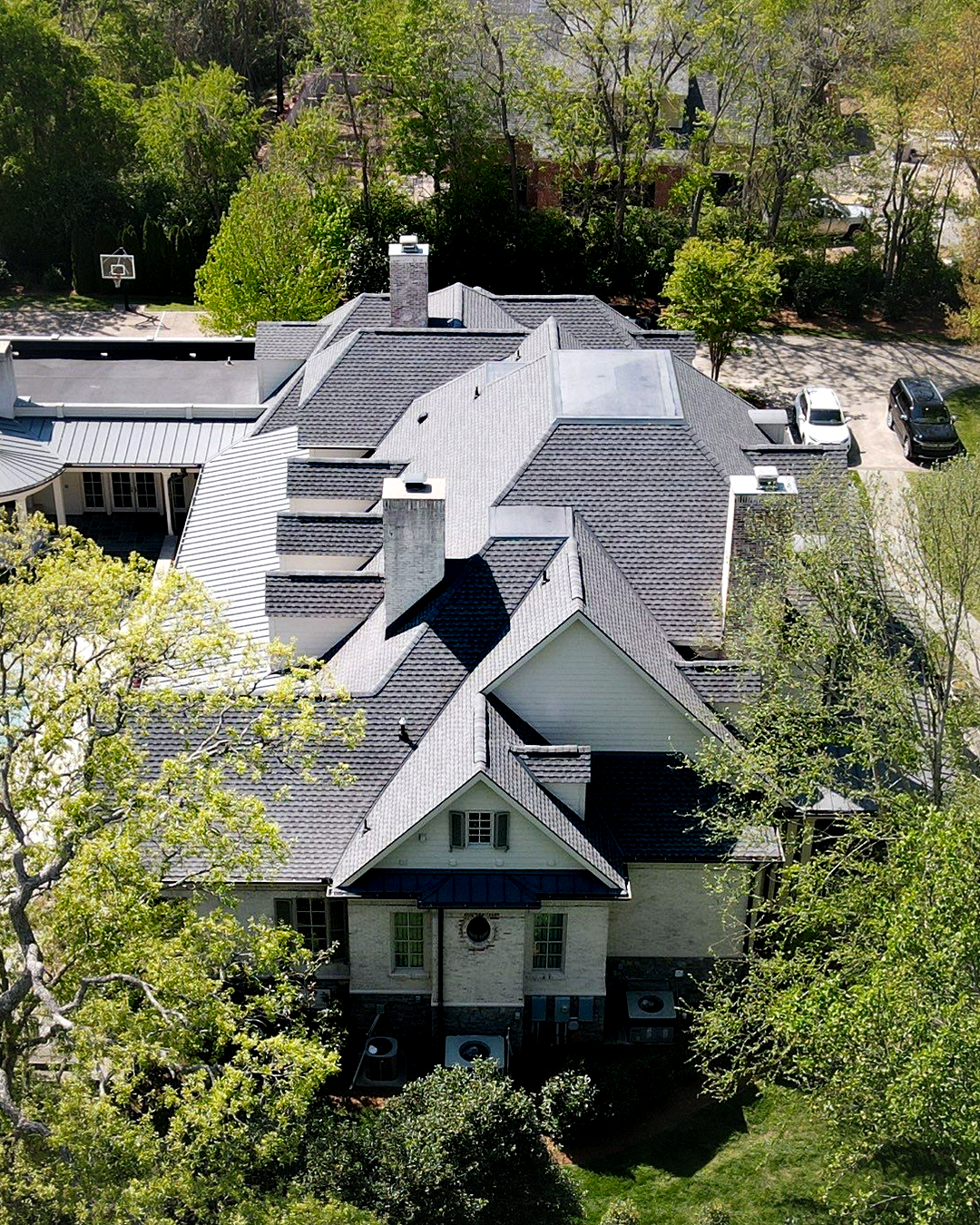
TPO Residential Roofing with Austermiller, Inc
Thermoplastic polyolefin (TPO) is a popular choice for roofing in Tennessee due to its durability and other benefits. TPO is flexible and resistant to chemicals, punctures, and UV rays. If you’re looking to improve your home’s energy efficiency, TPO can help lower your cooling costs by reflecting heat away from your home.
TPO is made from recycled materials, making it a cheaper alternative to PVC or rubber roofing. It’s an excellent option for adding durable, long-lasting protection to your home, especially for low-slope and flat roofs.
Benefits of TPO/Rubber Roofing
Durability
Rubber roofing shingles are highly durable and have a lifespan of up to 50 years.
Energy Efficiency
Rubber roofing provides more energy savings than other types of roofing due to its high sunlight reflectivity rating.
Low-Maintenance
Rubber roofing is highly resistant to corrosion, wear and tear, sun, and water damage.
Weather Resistance
Rubber roofing systems perform exceptionally well in harmful weather conditions like hail, high winds, and snow.
- Lasts 20-30 Years with Proper Maintenance
- Choose Your Insulation
- Fire Resistant Material
- Cost-Effective
- Naturally Fungal-Resistant Material
- Free of Plasticizers
- Flexible Material Ideal for Low-Slope and Flat Roofs
- Energy Saving UV Reflection
- Durable
- Simple to Install
- Low Installation Cost
- Low-Maintenance
Types of Rubber Roofing
Do you want to add durable, energy-efficient protection to your roof while reducing maintenance costs? Schedule a consultation with Austermiller, Inc for a free roofing evaluation.
Residential Rubber Roof FAQ
Rubber roofing is one of the best investments you can make for your home when you need to replace your roof. Adding rubber roofing to your home will provide your roof with durability and energy efficiency that is unrivaled by other roofing materials.
Many of our rubber roofing products are also sourced from recycled materials, which means you can get more value out of your investment, but also sleep peacefully knowing that you’re helping the environment.
While shingles are not a bad investment for your home, you may find that rubber roofing provides more benefits than traditional roofing systems. The main differences between rubber and asphalt shingles include:
- Appearance: If you want to customize the look of your home, rubber roofing comes in a variety of styles and colors to help you create your home's dream look.
- Durability: Rubber roofing is highly durable and resistant to damage.
- Energy Efficiency: Rubber shingles will help your home reflect more heat from the sun and help you save money on cooling costs.
- Environmental Impact: Rubber roofs not only help reduce cooling costs during summer but also the materials we use include recycled materials.
- Maintenance: Thanks to the durability of rubber roofing, your roof usually won't require maintenance for up to 15 years.
- Weather Resistance: No matter what weather we get in Tennessee, you can rest assured that a rubber roof will withstand it better than a shingled roof.
When installed correctly, a well-built rubber residential roofing system can last up to 50 years without needing to be replaced.
Rubber roofing systems are highly reliable. In normal conditions, they have a lifespan of up to 50 years, but even in extreme weather conditions, a rubber roof can last for up to 30 years.
Also, if there is any damage that occurs to your roof, TPO roofs are easy to repair.
If your roof or a section of it has a pitch less than 2:12 (meaning less than 2 vertical units rise for every 12 horizontal units), it’s classified as a low slope. Water doesn’t run off as quickly on these types of roofs, so they need to be waterproof. Asphalt shingles, which are not designed to handle standing water, are unsuitable for low-slope roofs.
This is a requirement — according to both shingle manufacturers and local building codes, asphalt shingles cannot be installed on roofs with a pitch below 2:12.
For this reason, TPO roofing membranes or other flat roof systems are necessary for low-slope or flat roofs. If a contractor suggests installing asphalt shingles on a low-slope roof, find a new and more knowledgeable roofer like the team at Austermiller, Inc.






What Our Customers Say